

English
The subject leader for English is Miss Coates.
For information on Early Reading (inc. phonics), please click here.
Reading
At our school, we place great value on reading, recognising that it is the key to unlocking the whole curriculum as well as fostering imagination, curiosity and a lifelong love of learning. We actively promote reading for pleasure through our well-stocked library and dedicated reading areas in every classroom, alongside celebrations such as World Book Day and Roald Dahl Day. Children in Early Years and Key Stage 1 bring home a phonics book carefully matched to their current level to practise and develop their independent reading skills, as well as a library book to share and enjoy with a parent or carer. As children move through the school, they select age-appropriate books from our well-stocked libraries, supporting their growing independence as readers. Children are further incentivised by our reading reward scheme allowing children to collect prizes for regular home reading. Our aim is to nurture lifelong readers who read widely and with great enjoyment.
Teaching Early Reading
Phonics is taught systematically using a programme called ‘Read, Write, Inc’, which equips pupils with the necessary decoding skills to read, whilst structured reading time takes place daily to develop understanding and promote enjoyment. This scheme is used throughout Early Years and Key Stage 1, with the majority of pupils expected to successfully complete it by the end of their first term in Year 2. After completing the phonics scheme, pupils work in groups to develop their fluency, understanding and love of reading, as well as reading individually.
Reading in Key Stage 2
In Key Stage Two, reading is taught daily through whole-class sessions to ensure all pupils access and understand high-quality texts together. Lessons combine the study of a class novel with reading linked to the wider curriculum, promoting rich discussion and critical thinking. Our class novels reflect a wide range of genres and represent diverse characters, including different genders, cultures, races, religions, disabilities and neurodiversity, so that all children see themselves and others positively represented in literature. This approach builds essential knowledge across subjects while deepening comprehension, allowing children to develop confidence, share their ideas, and apply their understanding more effectively in other areas of learning.
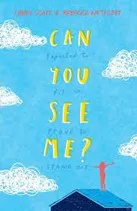
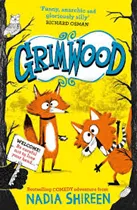
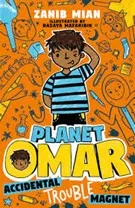
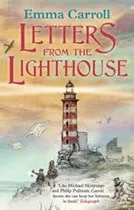
Reading Progression of skills Y 1 - 6
| Name | Format | ||
|---|---|---|---|
| Files | |||
| Reading Progression of Skills y1-6.docx | .docx | ||
For more reading suggestions, try clicking on the desired year group to bring up a reading spine.


Writing At Our School
At our school, we use the Essential Writing curriculum to help every child become a confident, capable and enthusiastic writer.
Writing is taught through high-quality, engaging books and texts that inspire children and spark their imagination. We place purpose and audience at the heart of everything we do, so children understand why they are writing and who they are writing for. Whether they are creating a story, explaining a scientific idea or writing to persuade, their work always has a clear and meaningful goal.
Our writing curriculum is carefully planned and builds progressively from year to year. Key skills are revisited and developed over time so that children grow in confidence, accuracy and independence. We teach children not only what to write, but how to craft their writing — from choosing ambitious vocabulary to structuring sentences and organising ideas effectively.
We use a wide range of diverse, high-quality texts to broaden children’s experiences and deepen their understanding of the world. This helps them develop their creativity, empathy and voice as writers.
Writing Progression Map
| Name | Format | ||
|---|---|---|---|
| Files | |||
| Writing Progression map y1 2 3.docx | .docx | ||
| Writing Progression map y4 5 6.docx | .docx | ||

Where children need extra support, we provide clear scaffolds and tailored strategies to ensure that everyone can access the learning and make strong progress. Our aim is for all children to feel inspired, supported and proud of the high-quality writing they produce.
The teaching of grammar is very successfully embedded within our English lessons. For spelling, we use the ‘RWI spelling scheme’ which the children use daily.
Throughout EYFS, children learn how to form all letters correctly. Once this is established, children are taught to write in a cursive script following the Nelson Handwriting Scheme. Initially, they are taught the correct letter formation to print individual letters, then to join their handwriting. By the end of Year 3 most children write in a cursive style. Once their cursive writing is sufficiently controlled and letters are of an appropriate size, children move on from pencil to pen, usually during Year 3 or 4.
We are proud of the progress that our children make during their time at The Mount. Children leaving us for the next phase of their education are able to articulate their ideas clearly, confidently and accurately. They also become fluent readers with a clear love of books. They are able to express their ideas in writing accurately and in an appropriate form using a rich and varied vocabulary.


