Music
The subject leader for Music is Mr Haigh.
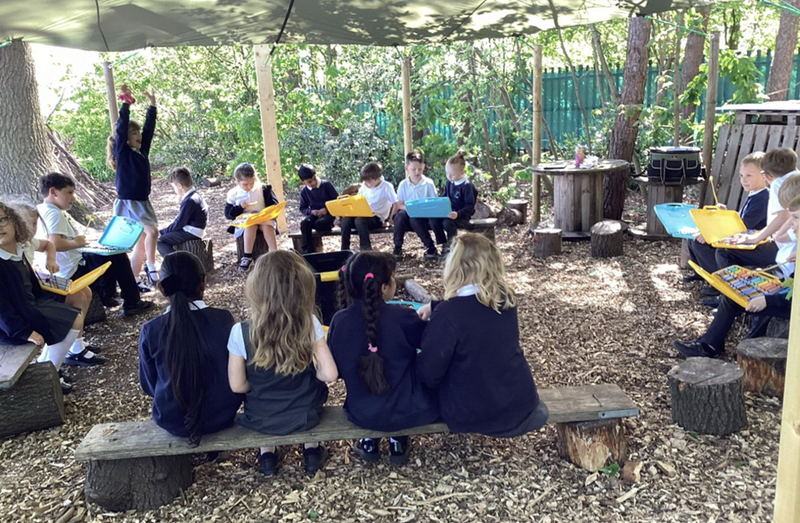
Music can happen anywhere!
Why do we teach Music?
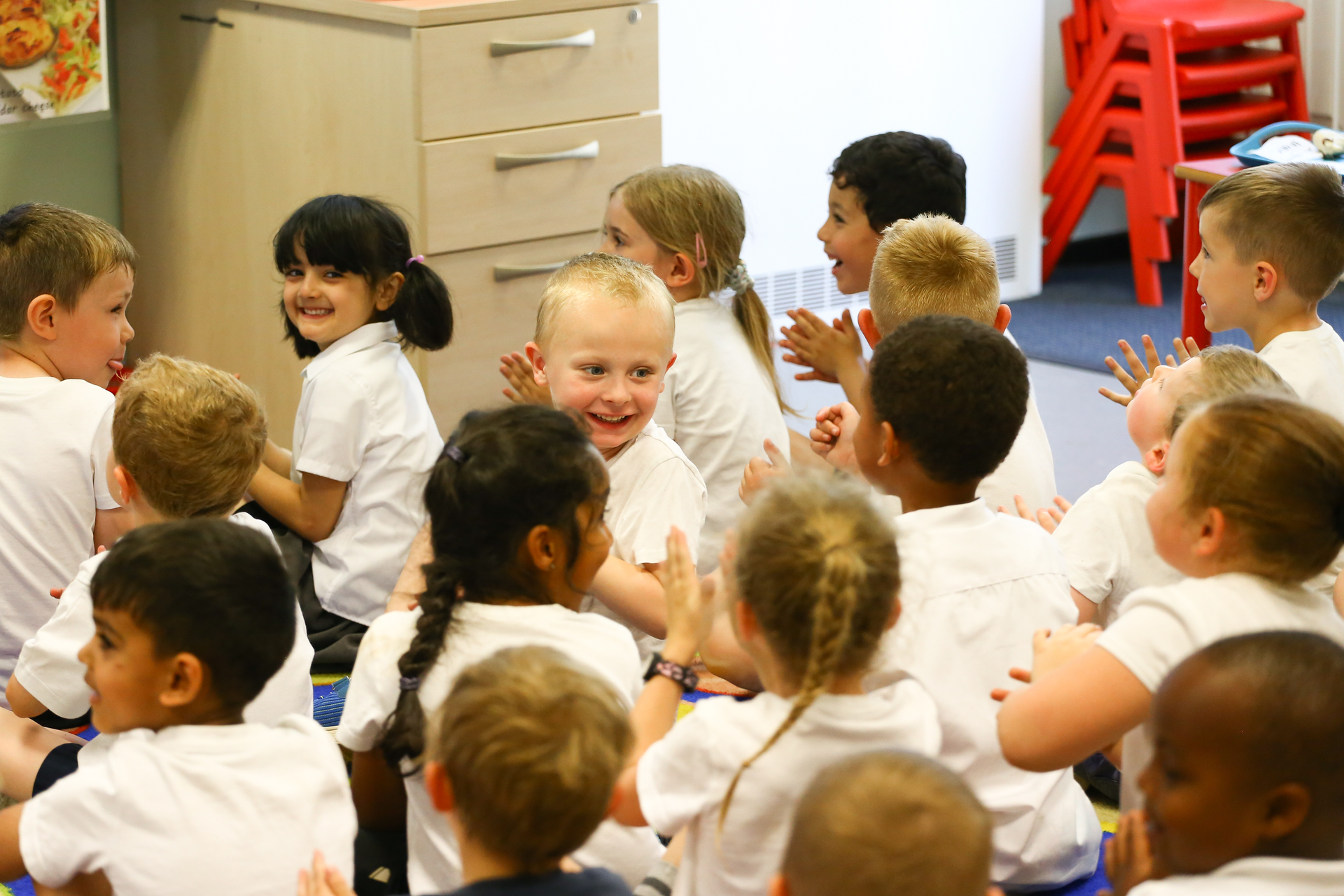
At The Mount, we make music an enjoyable learning experience. We encourage all children to participate in a variety of musical experiences through which we aim to build up their love of music, self- confidence and sense of achievement. Our teaching focuses on developing the children’s ability to, sing in tune and with other people, play tuned and untuned musical instruments with increasing control, fluency and expression and listen critically to a wide range of music from different periods, genres, styles and traditions. As children progress through the school they will increasingly understand and explore how music is created, produced and communicated through the interrelated dimensions of music: pitch, duration, dynamics, tempo, timbre, texture, structure and musical notation. By Key stage 2 children will begin to improvise and compose music for a range of purposes.
How do we teach Music?
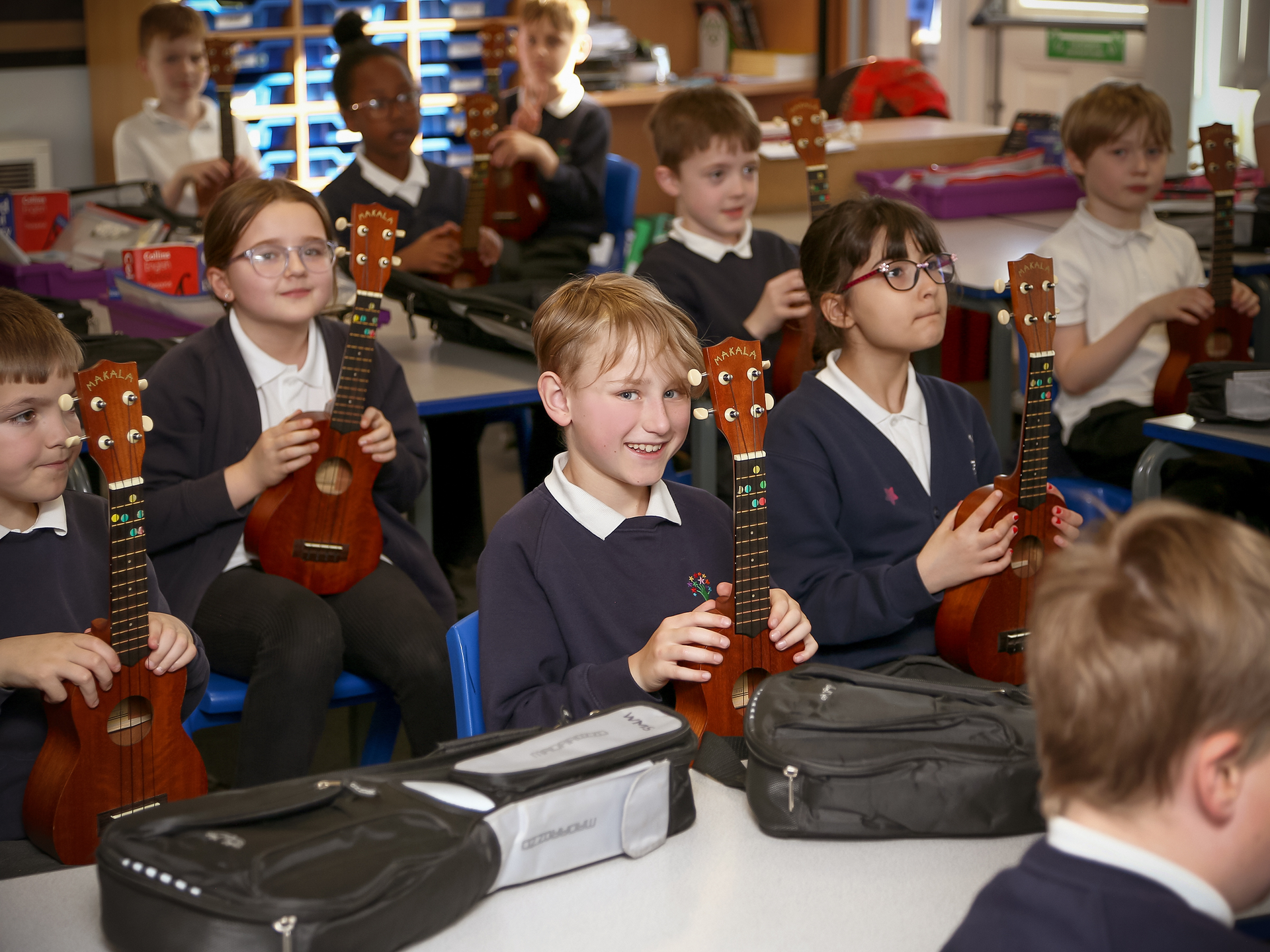
We teach music in Reception classes as an integral part of the topic work covered during the year. In the Early Years, music contributes to a child’s development in the area of expressive arts and design. Key stage 1, Year 3 and 6 children are taught music by their class teacher and year 4 and 5 are lucky enough to be taught ukuleles (4) and guitar (5) by a peripatetic teacher from Wakefield music services. We use Charanga to support our music teaching as it is a very clear and comprehensive scheme of work which covers all the national curriculum requirements in a full and progressive way. Instrumental learning (playing the recorder and glockenspiel) is taught explicitly and progressively using the Charanga units of work.
During singing assemblies, and selected music lessons, we select pieces of music from the Charanga Listening centre to encourage listening and appraising of a variety of music from different genres and eras on a weekly basis. The listening centre also provides music which is selected for use in a variety of lessons and activities to create, mood, atmosphere and for concentration. Children throughout school sing on a weekly basis for pleasure during our music assemblies as well as rehearsing for whole school performances for Harvest, carol concerts and school productions.
At our school we teach music to all children, whatever their ability. Music forms part of the school curriculum policy to provide a broad and balanced education to all children. Assessment against the National Curriculum allows us to consider each child’s attainment and progress against expectations. Teachers assess children’s work in music by making informal judgements as they observe them during lessons, giving feedback to help them improve. Additional evidence may be gained during school performances or other relevant events, and may be presented in the form of recordings or photographs. The attainment of each child is indicated annually in the end of year report.
Knowledge and Skills
| Name | Format | ||
|---|---|---|---|
| Files | |||
| Knowledge _ Skills - Year R.pdf | |||
| Knowledge _ Skills - Year 1.pdf | |||
| Knowledge _ Skills - Year 2.pdf | |||
| Knowledge _ Skills - Year 3.pdf | |||
| Knowledge _ Skills - Year 4.pdf | |||
| Knowledge _ Skills - Year 5.pdf | |||
| Knowledge _ Skills - Year 6.pdf | |||
Vocabulary
| Name | Format | ||
|---|---|---|---|
| Files | |||
| Vocabulary Years 1 to 6.pdf | |||


